Repair Your Air Conditioner Effectively: Air Conditioner Repair Tips
When your air conditioner stops working properly, it can quickly become uncomfortable and stressful. I’ve learned that knowing how to repair your air conditioner effectively can save you time, money, and frustration. Whether you’re dealing with a minor issue or something more serious, understanding the basics of air conditioner repair helps you make informed decisions. In this post, I’ll share practical tips and clear steps to help you get your cooling system back in shape.
Essential Air Conditioner Repair Tips
Before diving into repairs, it’s important to understand some key tips that can make the process smoother and more successful. These tips are based on experience and common issues that many homeowners and businesses face.
Regular Maintenance Prevents Major Repairs
Keeping your air conditioner clean and well-maintained reduces the chances of breakdowns. Change filters every 1-3 months, clean the coils, and check for debris around the outdoor unit.
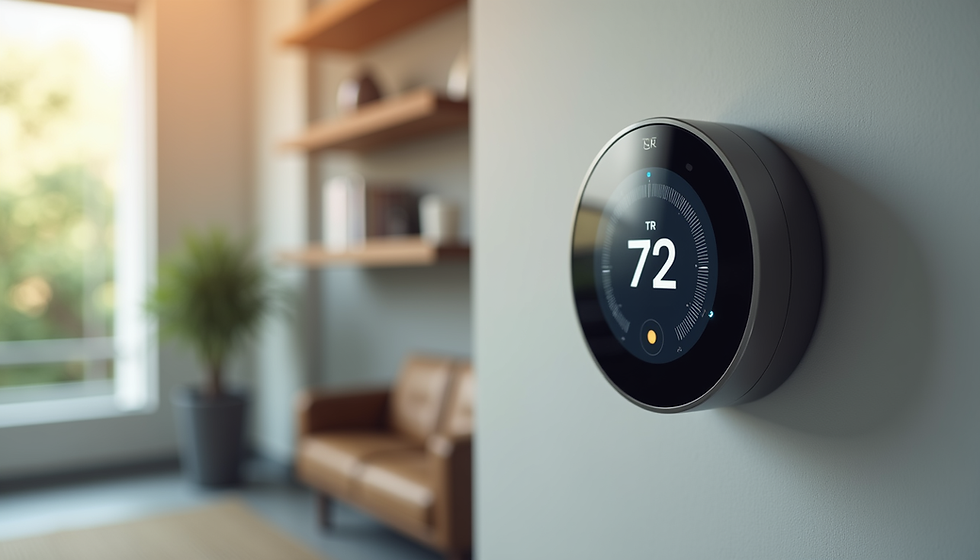
Check the Thermostat Settings
Sometimes, the problem is as simple as incorrect thermostat settings. Make sure it’s set to “cool” and the temperature is lower than the current room temperature.
Inspect Electrical Components
Loose wires or blown fuses can cause your unit to stop working. Always turn off the power before inspecting electrical parts.
Listen for Unusual Noises
Strange sounds like grinding or squealing often indicate mechanical problems that need professional attention.
Know When to Call a Professional
If you’re uncomfortable with electrical work or the problem persists after basic troubleshooting, it’s best to seek expert help.
These tips form the foundation of effective air conditioner repair. They help you identify issues early and avoid costly damage.

How do I fix my air conditioner that is not cooling?
One of the most common problems is when the air conditioner runs but does not cool the air. Here’s a step-by-step guide to troubleshoot and fix this issue:
Check the Air Filter
A dirty or clogged filter restricts airflow and reduces cooling efficiency. Replace or clean the filter if it looks dirty.
Inspect the Outdoor Unit
Make sure the outdoor condenser unit is free from leaves, dirt, and debris. Clean the fins gently with a soft brush or hose.
Examine the Thermostat
Confirm the thermostat is working correctly and set to a temperature lower than the room temperature.
Look for Refrigerant Leaks
Low refrigerant levels can cause poor cooling. Unfortunately, handling refrigerant requires a licensed technician, so call a professional if you suspect a leak.
Check the Evaporator Coil
If the coil is frozen, it can block airflow. Turn off the unit and let the ice melt. This often happens due to low refrigerant or poor airflow.
Inspect the Fan Motor
The fan helps circulate air over the coils. If it’s not working, the air won’t cool properly. Listen for fan noise or check if the blades spin freely.
If these steps don’t restore cooling, it’s time to contact a professional for a thorough diagnosis.

Common Air Conditioner Problems and How to Address Them
Understanding common issues helps you react quickly and avoid bigger problems. Here are some frequent air conditioner problems and practical solutions:
Unit Won’t Turn On
Check the circuit breaker and thermostat batteries. Reset breakers if needed. If the problem continues, the capacitor or control board might be faulty.
Water Leaks Around the Unit
This usually means a clogged drain line or frozen evaporator coil. Clear the drain line with a wet/dry vacuum or call a technician.
Bad Odors from the Air Conditioner
Mold or mildew in the system can cause unpleasant smells. Clean or replace filters and consider professional coil cleaning.
Short Cycling (Turning On and Off Frequently)
This wastes energy and stresses the system. It can be caused by an oversized unit, thermostat issues, or refrigerant problems.
Weak Airflow
Check for blocked vents, dirty filters, or duct leaks. Clean or repair as necessary.
By addressing these problems early, you can extend the life of your air conditioner and maintain comfort.
When to Schedule Professional Air Conditioning Repair
Sometimes, DIY fixes aren’t enough. Knowing when to call a professional is crucial. Here are signs that you need expert help:
Persistent cooling problems after basic troubleshooting
Strange noises or burning smells
Electrical issues like frequent breaker trips
Refrigerant leaks or low refrigerant levels
Complex mechanical failures such as compressor or motor problems
Professional technicians have the tools and knowledge to diagnose and fix these issues safely and efficiently. They also ensure your system runs optimally, saving you money on energy bills and future repairs.
If you want reliable and affordable service, consider scheduling air conditioning repair with a trusted local company. They can provide thorough inspections, maintenance, and repairs tailored to your needs.
Tips for Maintaining Your Air Conditioner Year-Round
Effective repair starts with good maintenance. Here are some tips to keep your air conditioner in top shape throughout the year:
Change Filters Regularly
This improves air quality and system efficiency.
Keep the Outdoor Unit Clear
Trim plants and remove debris around the condenser.
Schedule Annual Tune-Ups
Professional inspections catch small problems before they grow.
Seal and Insulate Ducts
This prevents air leaks and improves cooling performance.
Monitor Energy Bills
Sudden increases may indicate system inefficiency or malfunction.
By following these simple steps, you reduce the need for emergency repairs and enjoy consistent comfort.
Repairing your air conditioner effectively is about combining knowledge, timely action, and proper maintenance. Whether you tackle minor issues yourself or call in professionals for complex problems, staying proactive ensures your cooling system serves you well. Remember, a well-maintained air conditioner not only keeps you comfortable but also protects your investment for years to come.