Signs You Need Air Duct Replacement: A Guide to Replacing Air Ducts
When it comes to maintaining a comfortable and healthy indoor environment, the condition of your air ducts plays a crucial role. Over time, air ducts can deteriorate, leading to inefficiency and poor air quality. Knowing when to consider replacing air ducts can save you money, improve your HVAC system’s performance, and enhance your home or business environment. In this post, I’ll walk you through the key signs that indicate it might be time for air duct replacement.
Why Replacing Air Ducts Matters
Replacing air ducts is not just about fixing a broken system. It’s about ensuring your heating and cooling system works efficiently and safely. Old or damaged ducts can cause uneven temperatures, increase energy bills, and even circulate dust and allergens throughout your space. If you notice any unusual symptoms, it’s worth investigating the condition of your ducts.
Here are some common reasons why replacing air ducts becomes necessary:
Leaks and holes in the ductwork reduce airflow.
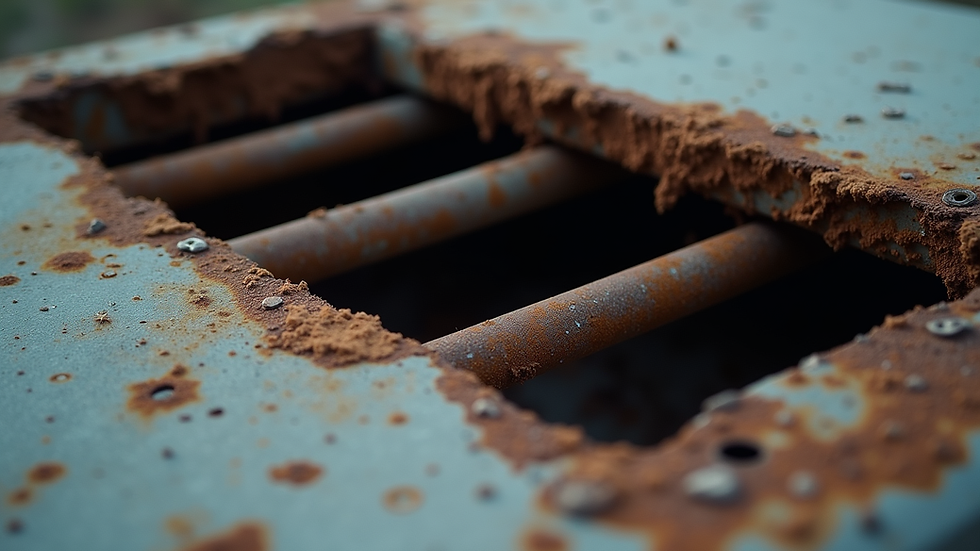
Rust and corrosion weaken the ducts.
Mold growth inside ducts can affect air quality.
Pest infestations can damage ducts and contaminate air.
Poor insulation around ducts causes energy loss.
By addressing these issues early, you can avoid costly repairs and maintain a healthier environment.
Common Signs You Should Consider Replacing Air Ducts
Recognizing the signs of failing ductwork can help you decide when to call a professional. Here are some clear indicators that your ducts may need replacement:
1. Uneven Heating or Cooling
If some rooms in your home or business are consistently warmer or cooler than others, it could be due to leaks or blockages in your duct system. Air escaping through holes or disconnected sections means less air reaches certain areas.
2. Increased Energy Bills
A sudden spike in your energy bills without a change in usage habits often points to inefficiency in your HVAC system. Leaky or poorly insulated ducts force your system to work harder, consuming more energy.
3. Visible Damage or Corrosion
Inspect your ducts if accessible. Rust, holes, or crushed sections are signs that the ducts are compromised. Damaged ducts not only reduce airflow but can also allow contaminants to enter your air supply.
4. Excessive Dust or Allergies
If you or others in the building experience increased allergy symptoms or notice more dust settling on surfaces, your ducts might be circulating pollutants. Mold, dust, and debris inside ducts can worsen indoor air quality.
5. Strange Noises from Ducts
Rattling, banging, or whistling sounds coming from your ductwork can indicate loose or damaged sections. These noises often mean air is escaping or ducts are vibrating due to poor installation or wear.
6. Age of the Ductwork
Ducts typically last 10 to 15 years depending on material and maintenance. If your system is older, it’s wise to have a professional inspection to assess whether replacement is needed.

How much should it cost to replace ductwork?
Understanding the cost of replacing ductwork helps you plan your budget and make informed decisions. The price depends on several factors:
Size of the property: Larger homes or businesses require more duct material and labor.
Type of ducts: Flexible, sheet metal, or fiberglass ducts vary in cost.
Accessibility: Ducts hidden behind walls or ceilings may increase labor costs.
Extent of replacement: Partial replacement costs less than a full system overhaul.
On average, replacing ductwork can range from $3,000 to $15,000 or more. It’s important to get a detailed estimate from a trusted HVAC professional who can assess your specific situation. Investing in quality duct replacement can reduce energy bills and improve comfort, making it worthwhile in the long run.
What to Expect During the Air Duct Replacement Process
If you decide to move forward with replacing your ducts, knowing what to expect can ease any concerns. Here’s a general overview of the process:
Inspection and Assessment
A technician will inspect your current duct system to identify damage and measure the space.
Design and Planning
The new duct layout is designed to optimize airflow and efficiency.
Removal of Old Ducts
Damaged ducts are carefully removed to avoid disturbing insulation or other building materials.
Installation of New Ducts
New ducts are installed, sealed, and insulated as needed.
System Testing
The HVAC system is tested to ensure proper airflow and no leaks.
Cleanup
The work area is cleaned, and any debris is removed.
The entire process can take a few days depending on the size and complexity of the system. A professional team will work efficiently to minimize disruption.
Tips for Maintaining Your New Ductwork
Once your ducts are replaced, proper maintenance will extend their lifespan and keep your system running smoothly. Here are some practical tips:
Schedule regular HVAC inspections to catch issues early.
Change air filters every 1-3 months to reduce dust buildup.
Seal any visible gaps or joints with mastic or metal tape.
Keep vents and registers clean and unobstructed.
Control humidity levels to prevent mold growth inside ducts.
Avoid storing items near ductwork to prevent damage.
Consider adding on a Whole Home Air purifier.
Regular maintenance not only protects your investment but also improves indoor air quality and comfort.
When to Call a Professional for Air Duct Replacement
If you notice any of the signs mentioned earlier, it’s best to consult a qualified HVAC technician. Attempting to repair or replace ducts yourself can lead to mistakes that reduce system efficiency or cause safety hazards.
A professional will:
Provide a thorough inspection.
Recommend whether repair or replacement is best.
Use proper materials and techniques.
Ensure your system meets local codes and standards.
Remember, investing in professional service helps you avoid costly problems down the road and ensures your heating and cooling system performs at its best.
Replacing your air ducts is a significant step toward improving your indoor environment and energy efficiency. If you suspect your ducts are damaged or inefficient, don’t wait. Reach out to a trusted HVAC expert to explore your options for air duct replacement. Taking action now can save you money and provide peace of mind for years to come.